Section A — Hero + Carousel
✓ US FDA 510(k) Cleared
✓ CE Certified
AI100 Application

Shonit™

Peripheral Blood Smear Analyser

An AI-powered application that automates the manual microscopic review of peripheral blood smears (PBS) — classifying every cell with visual evidence for remote pathologist sign-off.

7-part
WBC differential
30+
Cell types
20
Slides per hour
40x
Magnification
← Back to AI100
Section B — What Shonit Analyses
What Shonit™ Analyses

Complete PBS analysis in one pass

Shonit™ analyses the peripheral blood smear, providing structured, evidence-backed report— ready for pathologist review.

WBC

White Blood Cells

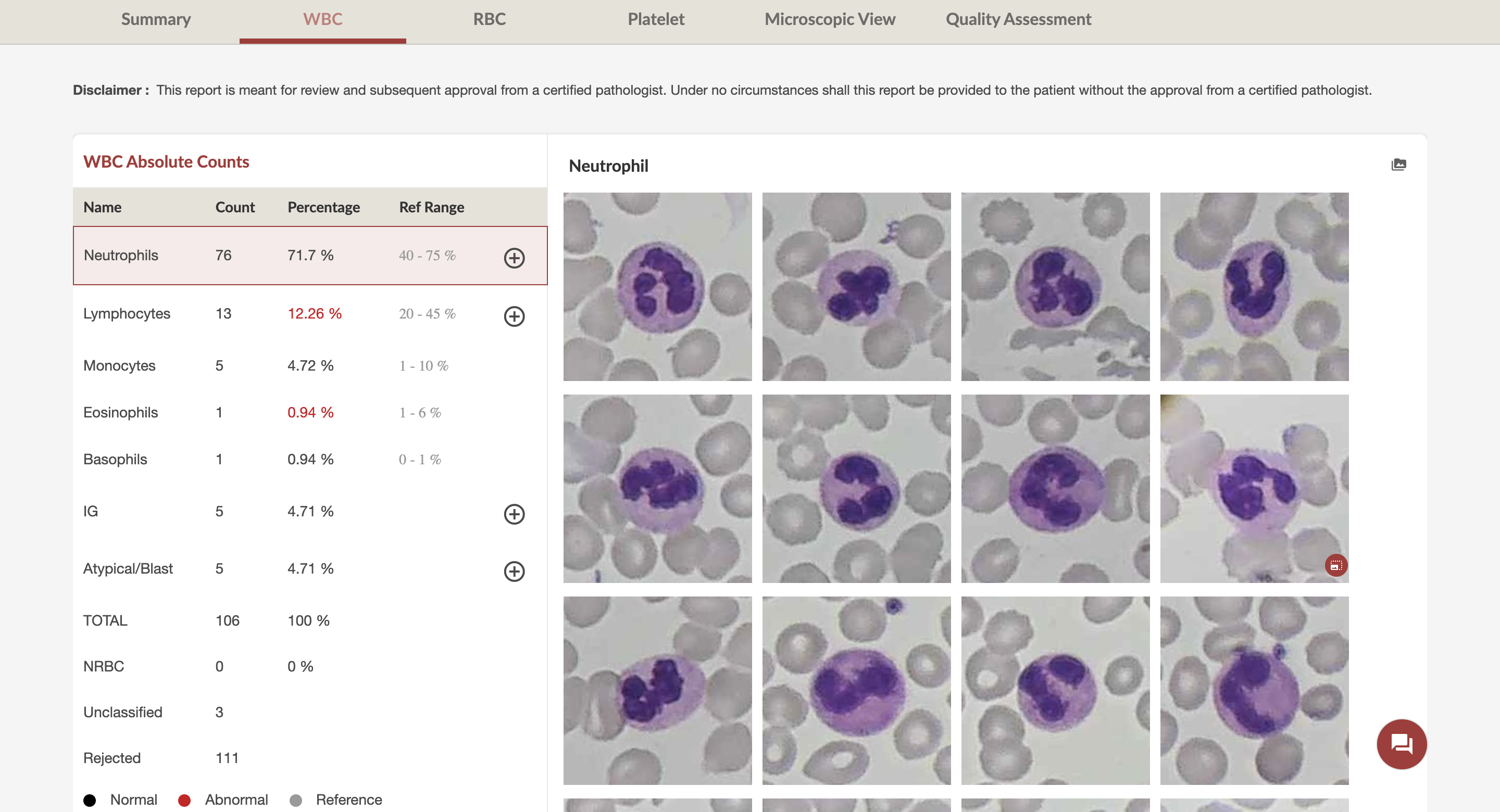
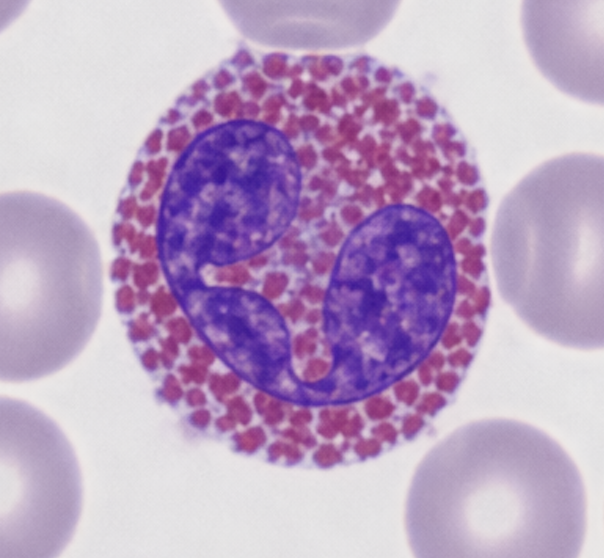
Full 7-part WBC differential including atypical cells / blasts. Rare and immature cell forms are automatically subclassified for pathologist attention.

  • Neutrophils
  • Lymphocytes
  • Monocytes
  • Eosinophils
  • Basophils
  • Blasts & immature granulocytes
  • nRBCs (nucleated red cells)
RBC

Red Blood Cells

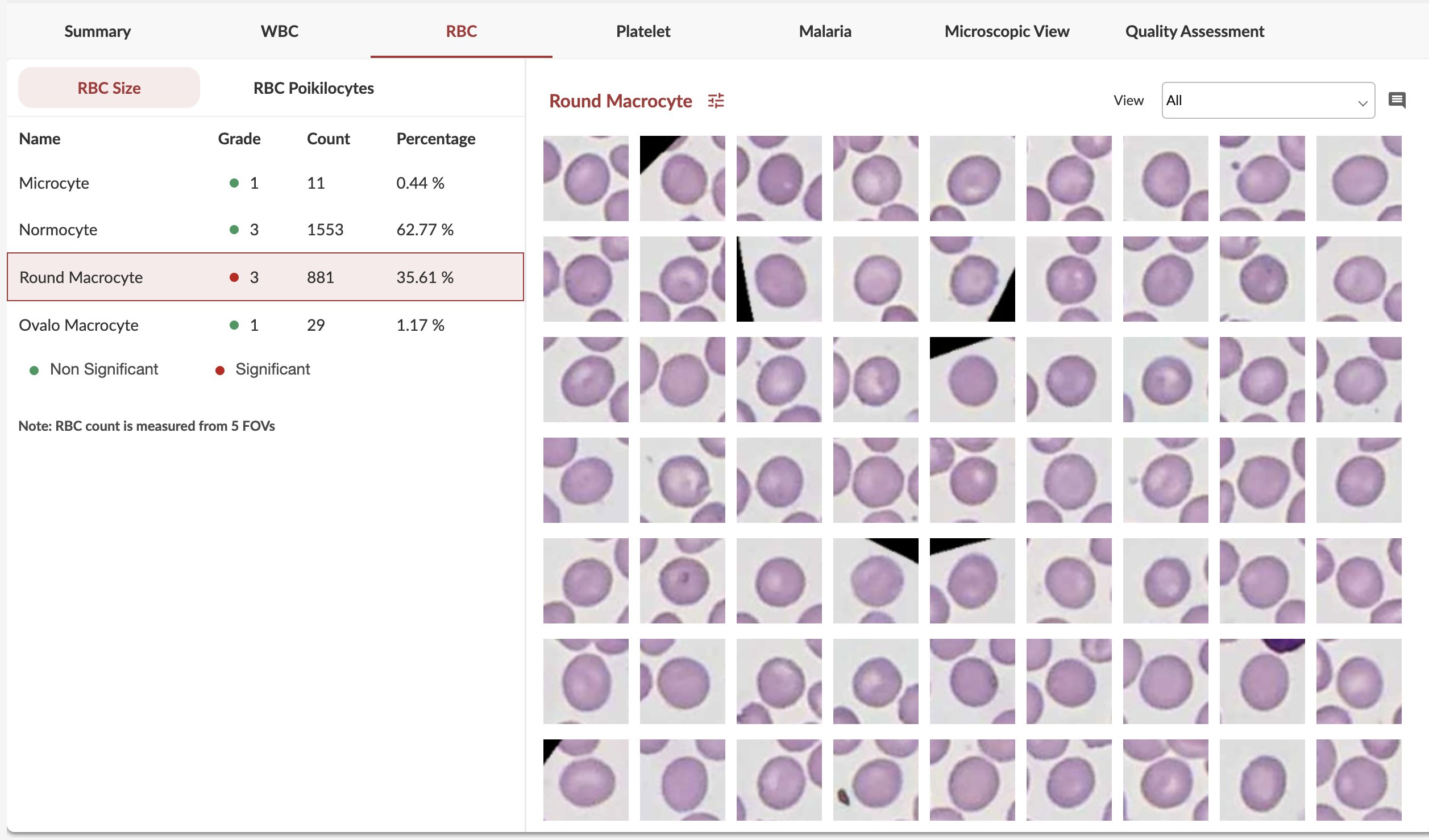
Comprehensive size- and shape-based RBC morphology graded to ICSH (International Council for Standardization in Haematology) guidelines.

  • Anisocytosis (size variation)
  • Poikilocytosis (shape variation)
  • Malarial parasites
Platelets

Platelets

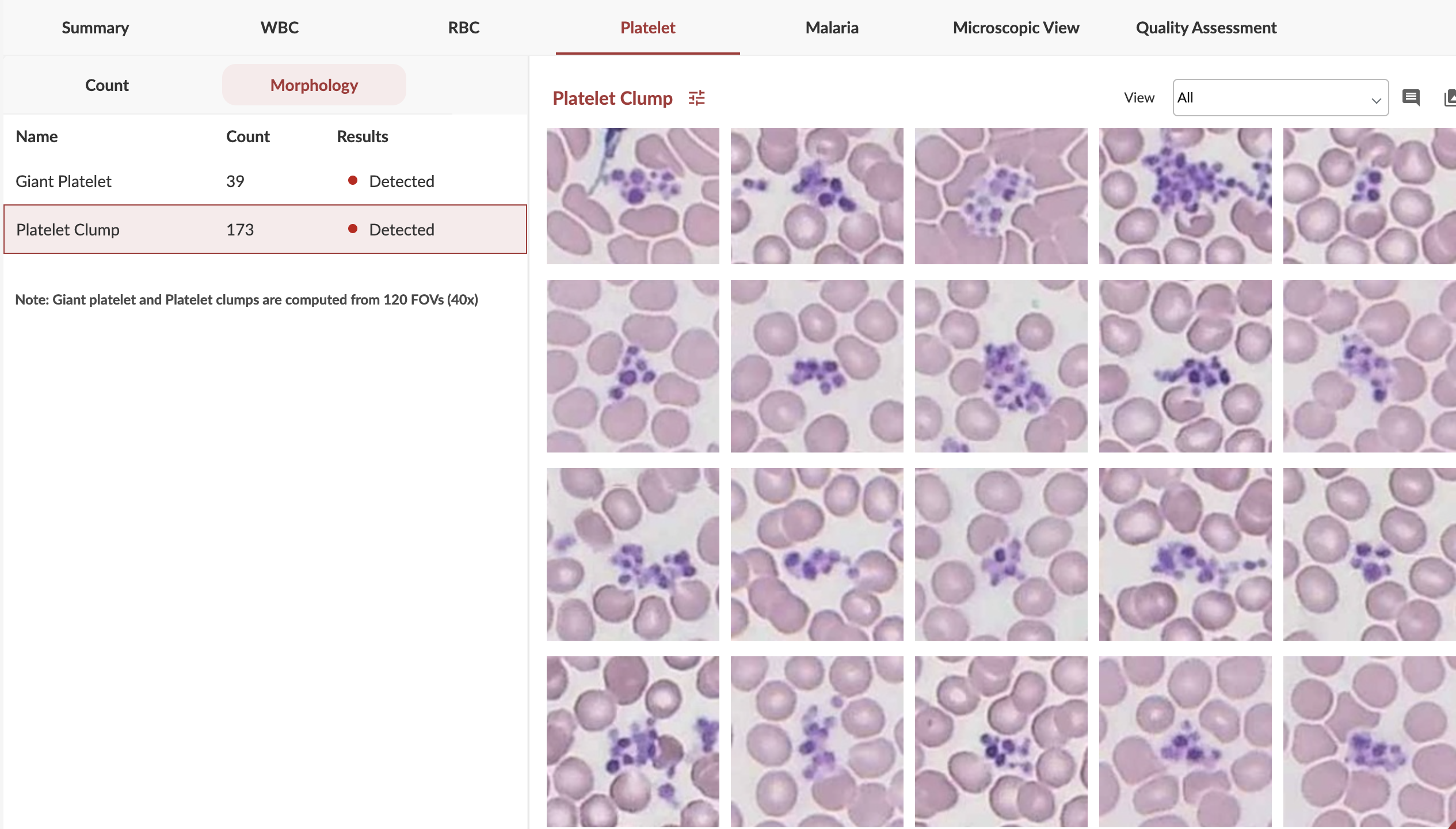
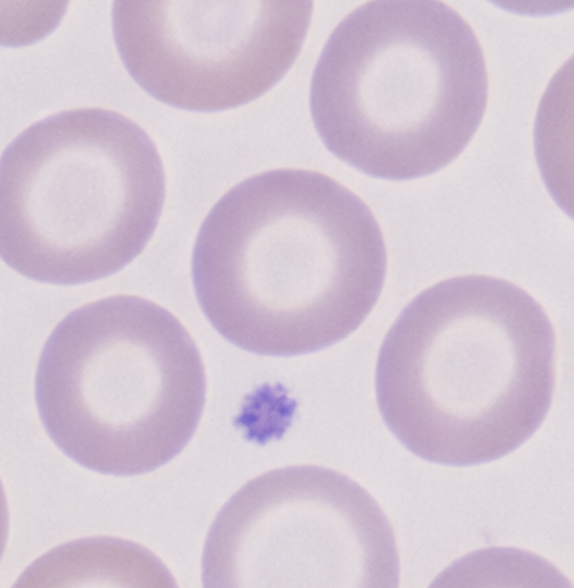
Visual evidence-based platelet morphology classification with automated clump detection and count estimation — critical for dengue, ITP and thrombocytopenia assessment.

  • Platelet count (estimated)
  • Normal vs macro platelets
  • Giant platelets (≥ RBC size)
  • Platelet clumps (auto-flagged)

Section C — Clinical Applications
Clinical Applications

Conditions detected using Shonit™

By automating PBS analysis, Shonit™ supports the detection and monitoring of a wide range of haematological and infectious conditions.

Morphological disorders
  • Leukaemia (ALL, AML, CLL, CML)
  • Lymphoma
  • Anaemia (iron deficiency, B12 deficiency, haemolytic)
  • Sickle cell disease
  • Thalassaemia
  • ITP / thrombocytopenias
Infections
  • Malaria
  • Sepsis
  • Dengue (platelet disorder)
  • Viral infections (reactive lymphocytes)
  • Bacterial infections

Section C2 — Key Benefits
Key Benefits

Why labs choose Shonit™

The key advantages that make Shonit™ the most trusted AI for peripheral blood smear analysis.

Higher sensitivity for rare cells
Detects blasts, atypical lymphocytes and parasites that are easily missed in manual review.
Standardised grading (ICSH)
RBC morphology graded to ICSH guidelines — consistent, reproducible reports across all labs and shifts.
Remote pathologist review
Pathologists review and sign off from any browser, anywhere — bridging the urban-rural diagnostic divide.
Visual cell evidence in report
Every cell classification backed by gallery images — pathologists see exactly what the AI saw, in full context.
Reduces pathologist fatigue
Pre-classified, pre-sorted results mean pathologists focus only on verification — not counting 200 cells manually.
LIMS integration-ready
Seamless integration with existing Laboratory Information Management Systems — no workflow disruption.
Auto-detection of Malaria
Shonit™ automatically detects Plasmodium parasites on the blood smear — flagging infected RBCs and supporting rapid malaria diagnosis without a specialist on site.
Zero additional consumables
Shonit™ requires no special slides or stains — it works with all Romanowsky stains and does not require slides smeared by an auto-smear or autostainer, eliminating additional consumable costs.

Section D — How Shonit Works
Workflow

How Shonit™ works

From slide loading to pathologist sign-off — a fully automated, auditable pipeline.

1
Stain & Load
The blood smear slide is stained using a Romanowsky stain (Leishman, Giemsa or Wright's) and loaded into the AI100. The device automatically identifies the monolayer region for scanning.
2
Robotic Scanning at 40×
The AI100's robotic XYZ stage scans the monolayer at 40× magnification, capturing high-resolution images of every field systematically
3
Cloud AI Classification
Images are uploaded to a secure cloud platform where Shonit™'s deep learning models extract every cell, classify it into one of 30+ categories. Rare and atypical cells are automatically flagged.
4
Visual Report Generation
A structured report is generated with the full 7-part differential count, RBC morphology grades, platelet classification and visual galleries of each cell category — giving the pathologist complete evidence to approve.
5
Remote Pathologist Review & Sign-Off
The pathologist reviews, edits and finalises the report on any standard browser — from any location, at any time. Collaborative multi-pathologist review is supported. The AI never releases a report without pathologist sign-off.

Section E — Call to Action

See Shonit™ in action

Book a personalised demo and watch how our AI analyse a real PBS case